
Everett Drying Where the Tide Reaches the Water Table
Drying works here, but it only holds if the water is not being replaced from underneath, so we check that before any equipment goes in.
Water Damage Drying quote in Everett
Tell us what you can see, where the water came from, and whether anything is still wet. That is usually enough for us to say which trade you need, and whether the job is small enough to handle yourself, before anyone comes out.
Would you rather talk it through? Call (315) 640-3590, answered 24/7.
$100 off your first job
Credited by us on your first booked job.
- One credit per customer per property, on your first booked job.
- Valid through December 31, 2026.
Mention this offer when you book. Full terms.
When the tide is under the Everett slab
The Island End River on the Everett and Chelsea border already floods often at high tide in calm weather, and the resilience project working on it projects that happening almost weekly by 2030 and twice a day by 2050, across a floodplain of roughly 500 acres holding more than 800 buildings and more than 5,000 residents. In the lowest streets that means the water table is reaching the surface on an ordinary tide. Drying a slab in those conditions is still worth doing after a leak or a backup, but the plan has to allow for the ground underneath not being a dry reservoir, which is why dehumidification runs longer here and readings are spaced further apart.
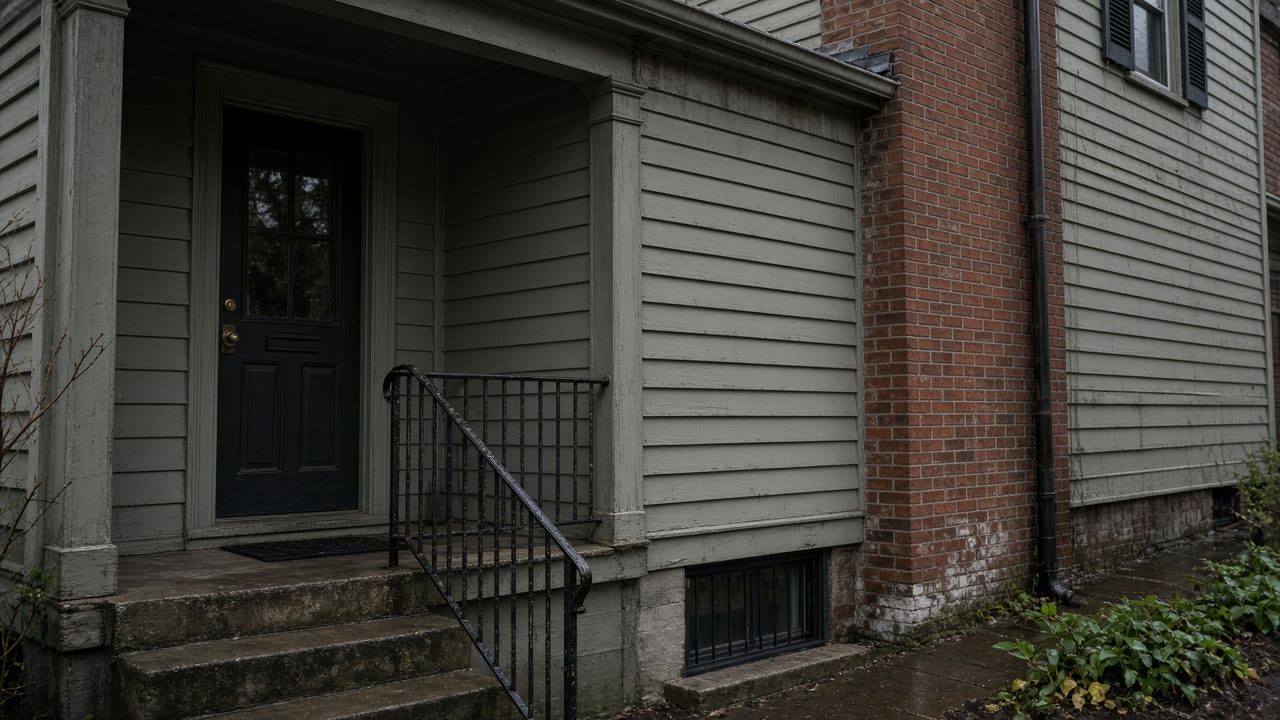
What water damage drying involves in Everett
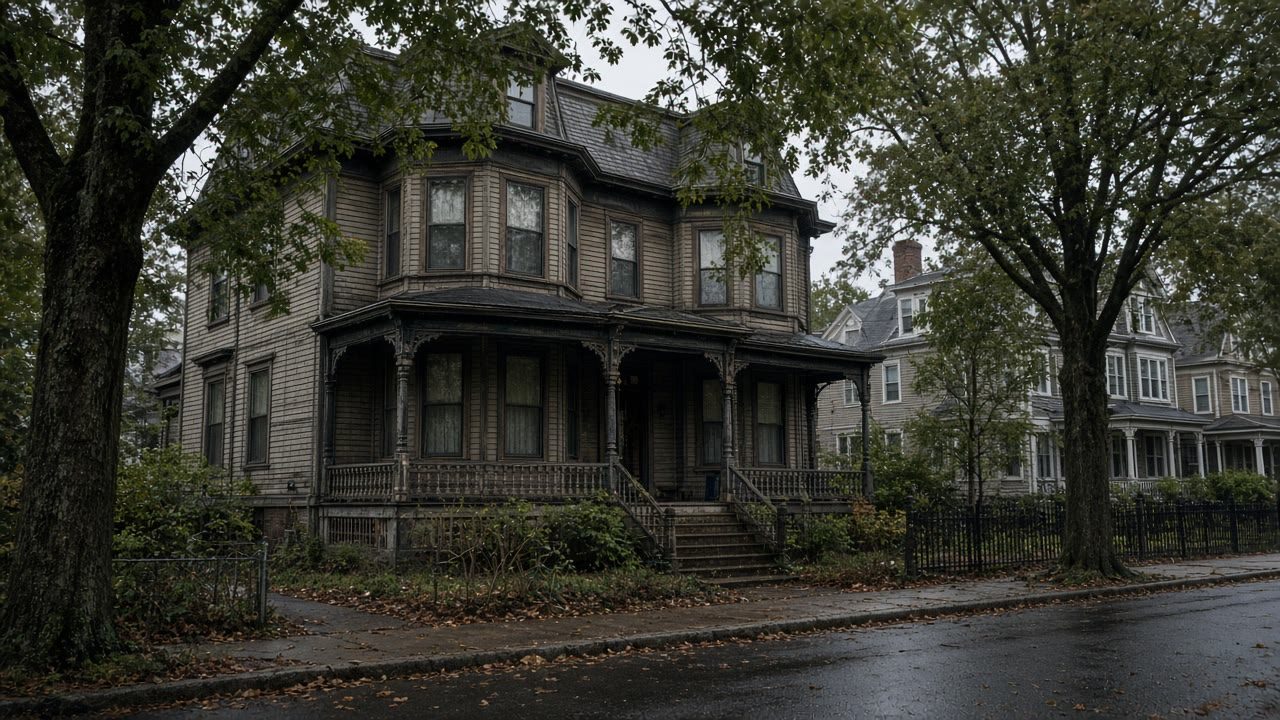
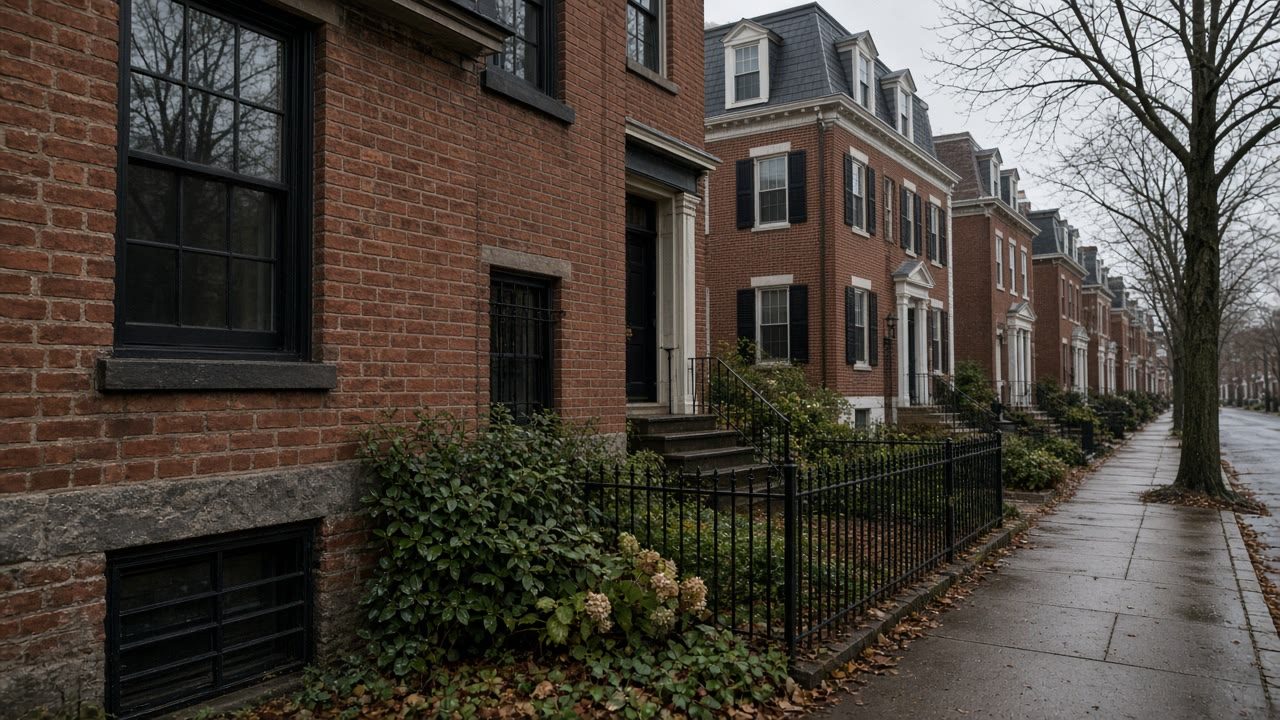
Telling an event apart from a condition
So separate the event from the condition before you spend anything at all. An event, a burst supply line, a failed washer hose, a backed-up drain, is a 48 hour job, and 105 CMR 410.500(B) gives the owner that long from the leak or the end of the event to have every wet surface dry. A condition, groundwater rising to the slab on a spring tide, is not something a drying crew fixes and nobody should charge you as though it were. We will tell you which one you have. If it is the condition, the useful conversation is interior drainage, a washable floor, and holding relative humidity between 30 and 60 percent rather than another week of air movers.
An event or a condition
A hose, a pipe or a drain is an event with a deadline. A tide reaching the water table is a condition, and paying drying rates for it is money gone.
Where the humidity has to land
Between 30 and 60 percent relative humidity is the EPA's target for discouraging growth, and in lower Everett holding it takes equipment rather than a window.
What longer drying actually buys
On made ground the structure gives up moisture more slowly, so the honest plan is fewer readings, longer runtime, and a defined end number.
The Island End floodplain and the humidity target
The Island End River Flood Resilience Project states that the Island End River on the Everett and Chelsea border already floods often at high tide in calm weather, that this is projected to happen almost weekly by 2030 and twice a day by 2050, and that the roughly 500-acre floodplain holds more than 800 buildings and more than 5,000 residents in underserved communities.
Source: Island End River Flood Resilience Project, Cities of Chelsea and Everett, accessed 2026-09-14
The EPA recommends reducing indoor relative humidity to between 30 and 60 percent to decrease mold growth, by venting bathrooms and dryers to the outside, using air conditioners and dehumidifiers and increasing ventilation.
Source: U.S. Environmental Protection Agency, accessed 2026-09-14
105 CMR 410.500(B) states that in the event of leaks and flooding the owner shall ensure all surfaces have been dried within 48 hours from the time they are notified or the end of the event, whichever is sooner.
Source: Massachusetts Department of Public Health, via Cornell Legal Information Institute, accessed 2026-09-14
Slab wet again on a high tide?
Tell us when it happens and we will say whether drying is the answer.
Testing and removal in Everett after the water
What Everett owners ask when a slab will not dry
The slab goes damp on the big tides. Is drying going to fix that?
No, and we will not sell it to you as though it would. Where the tide is lifting the water table to the underside of the slab, equipment removes what is there and the tide puts it back. That is a case for drainage, a washable finish and steady dehumidification, and the numbers should be agreed up front.
How do you know when the drying is actually finished?
On a target number rather than on a feel. Readings are taken in the structure, the target is agreed before the equipment goes in, and on made ground they are spaced further apart because the material releases moisture more slowly. You get the closing readings in writing either way.
Tell us what changed, and when
An event and a condition need two different plans.