
Cambridge and the surrounding Greater Boston area
Water Damage Drying Across Cambridge and Middlesex County
Get the building dry inside the window where mold never gets started, and fix the humidity or condensation that keeps making it wet.
Water Damage Drying quote
Tell us what got wet, when it got wet, and whether water is still coming in. The when matters as much as the what, because the 48 hours starts without waiting for anyone.
Would you rather talk it through? Call (315) 640-3590, answered 24/7.
$100 off your first job
Credited by us on your first booked job.
- One credit per customer per property, on your first booked job.
- Valid through December 31, 2026.
Mention this offer when you book. Full terms.
What drying does, and the window it has to happen in
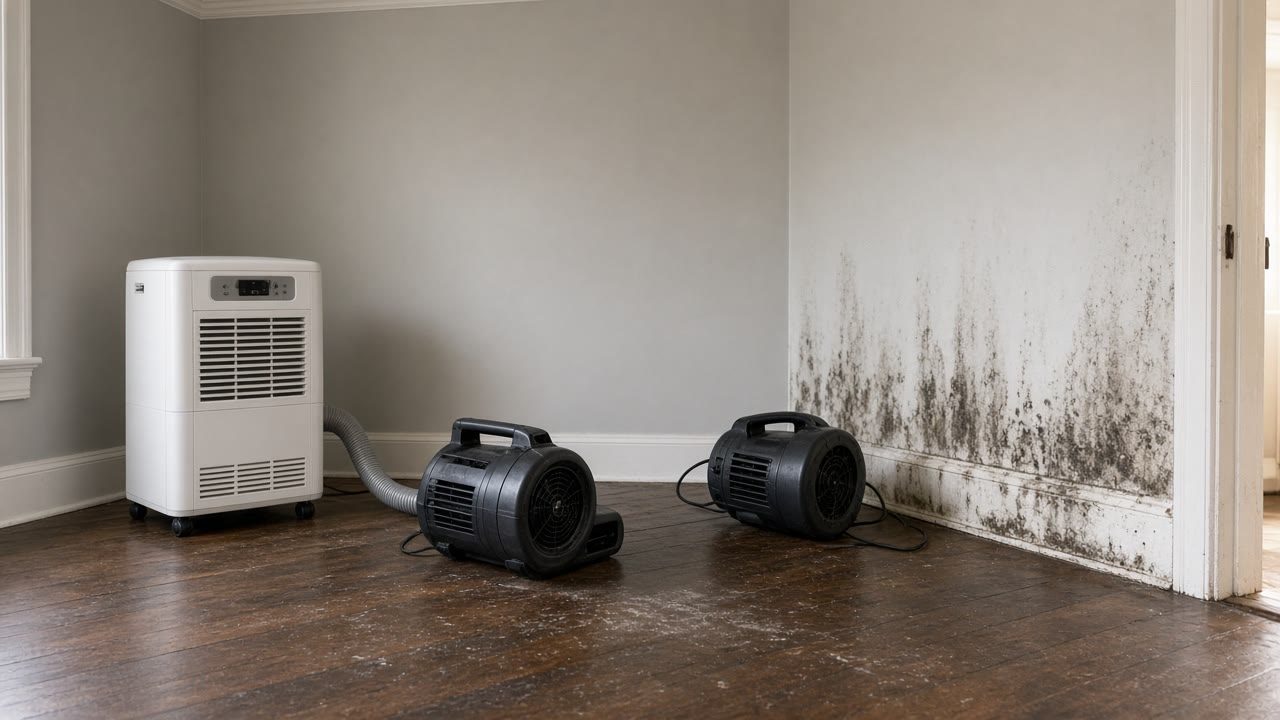
This is the job that stops the other two being necessary. Standing water comes out, air movers and dehumidifiers dry the framing, the subfloor and the wall cavities, and readings decide when it is finished rather than a hand on the surface. It also covers the slower version of the same problem: a basement that never dries out, condensation running down a cold wall, and summer humidity that sits too high for months. Two clocks agree on the number here. The EPA says material dried within 24 to 48 hours will in most cases not grow mold, and 105 CMR 410.500(B) gives the owner 48 hours from the leak or the end of the event to have every wet surface dry. Inside that window this is a drying job. Outside it, it turns into a removal.
- Extraction of standing water from basements, floors and finished rooms
- Air movement and dehumidification until readings confirm the material is genuinely dry
- Moisture monitoring of framing, subfloor and wall cavities, logged and dated rather than estimated
- Drying rubble foundations, dirt-floor crawl spaces and unfinished basements
- Humidity and condensation control: ventilation, dehumidification and insulating cold surfaces
- Tracing where water is getting in when there is no obvious leak to point at
- Drain and sewer backup cleanup, handled as its own category of water rather than as a bigger spill
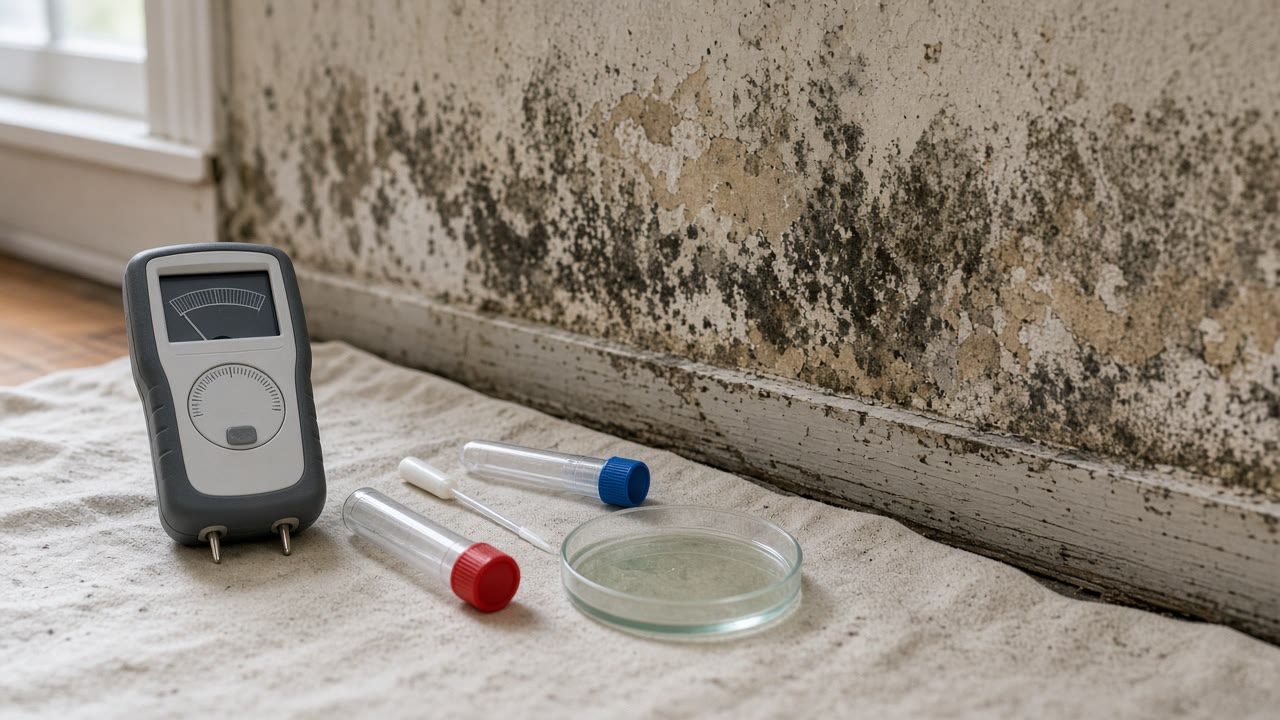
What decides how long a dry-out takes
A dry-out is priced by the clock and by the building, not by the size of the room. These are the things that decide how long it runs and what it takes.
How many hours it has been wet
The EPA states that wet material dried within 24 to 48 hours will in most cases not grow mold, and 105 CMR 410.500(B) puts the owner's legal deadline at 48 hours from notification or the end of the event, whichever is sooner. The same number decides the cost and decides whether anyone is in breach.
What kind of water it was
Clean supply water, rainwater off a roof, groundwater through a rubble foundation and a drain backup are four different jobs. The category changes what can be saved, what has to be thrown out and who should be handling it.
How far the water traveled
Water runs along framing and between layers of flooring, and plaster on wood lath holds it out of sight. The wet area is almost always bigger than the wet-looking area, which is why the first thing a dry-out does is measure rather than set up fans.
What is underneath the floor
A slab, a dirt-floor crawl space, a rubble foundation and a finished basement dry at very different rates and need different equipment. In this housing stock the answer is often not the one the homeowner expects.
Where the water came from, which is rarely a river
Of the 15 flood insurance claims FEMA records for Cambridge from 2010 onward, 13 were rated in flood zone X, outside the mapped high-risk zone, and nine were caused by accumulation of rainfall or snowmelt rather than any river or tidal overflow. Being outside the floodplain is not the same as being dry.
Indoor humidity, and the month
The EPA recommends keeping indoor relative humidity between 30 and 60 percent. The average daily dew point at Logan is 60F or higher every day from July 7 through August 23, so a cool Cambridge basement can stay damp all summer with no leak at all, and drying one room will not touch it.
Freeze and thaw, if it only happens in winter
The Logan normals give roughly 68 days a year that fall below freezing and rise above it again. That cycle works old masonry and opens the path water takes. A basement that only gets wet during a thaw is telling you where to look.
If it is still wet, this is the hour that matters
The code gives 48 hours and the biology agrees with it. Tell us when it happened and we will treat it accordingly.
How a dry-out runs, from the first hour
Stop the water
Valve, roof, gutter, drain or window, whichever it is. Nothing that follows works while the source is still running, and this is the part a homeowner can often do in the first ten minutes.
Get the standing water out
Bulk water comes out first because it shortens everything after it. Wet contents come up off the floor at the same time.
Find out how far it went
Meters and thermal imaging find the wet material behind baseboards and under flooring, so the drying is aimed at the actual extent instead of the visible puddle.
Dry the structure, not the surface
Air movers and dehumidifiers run until the framing and the subfloor read dry. Surface dry and structurally dry are different conditions, and only one of them stops mold.
Log the readings, with dates
Dated readings are the only practical proof the 48 hours was met. A housing inspector's order arrives in writing with inspection reports attached and a compliance deadline on it, and an insurer asks the same question later. The log is the answer to both.
Fix the condition, not just the event
Where the cause is humidity or condensation rather than a leak, the work is ventilation, dehumidification and insulating the cold surfaces, aiming at the EPA's 30 to 60 percent relative humidity range. The code puts numbers on the ventilation half: openable area of at least 4 percent of the room's floor, or mechanical ventilation at 2 air changes an hour in a habitable room and 5 in a bathroom. Without that, the same wall is wet again next July.
What water damage drying looks like
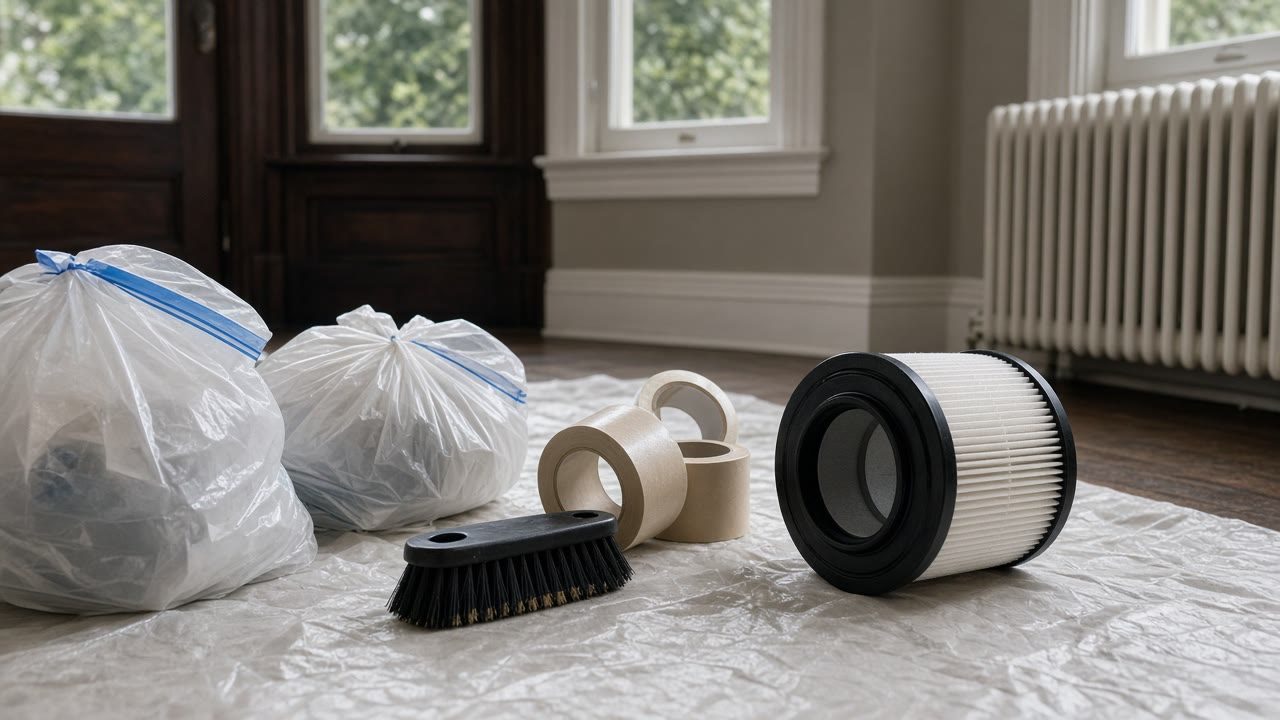
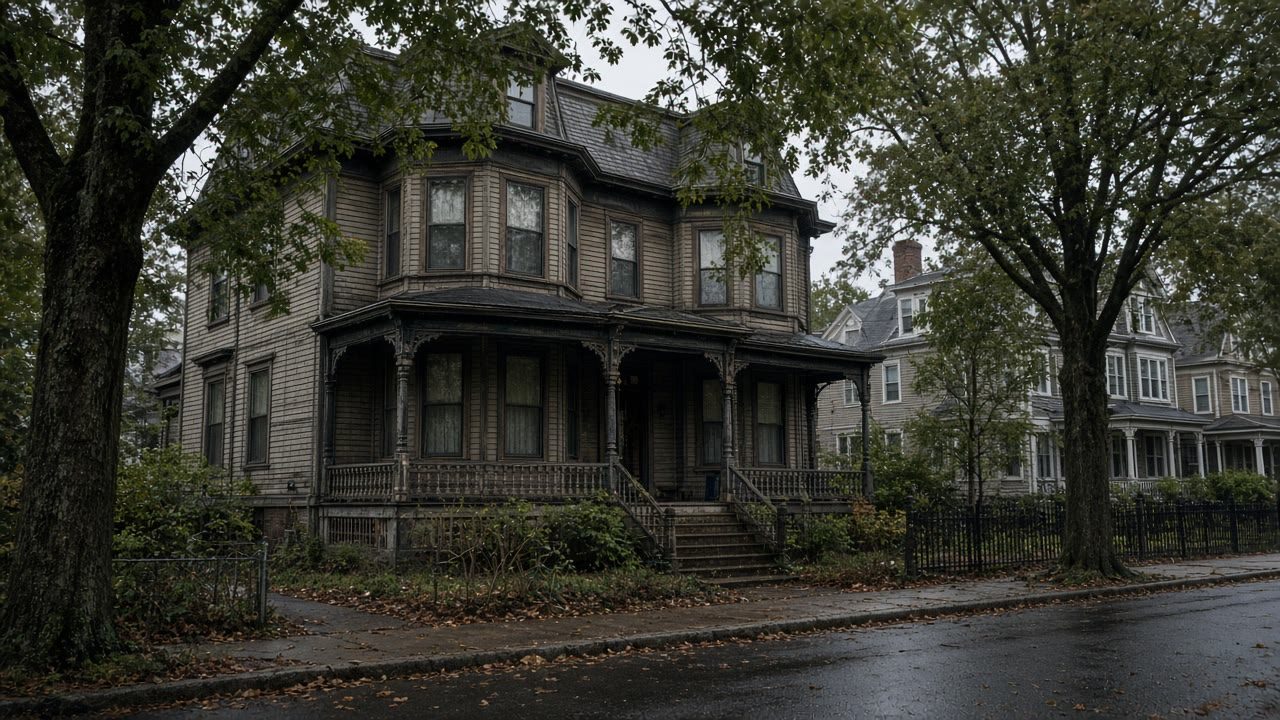
Where a dry-out starts and stops
When you may not need this at all
- A cup of water on a tile floor, wiped up while it is still a cup of water, is not a job. Dry it, run a fan and move on.
- If the basement is humid rather than wet, start with a hygrometer and a dehumidifier. The EPA's target is 30 to 60 percent relative humidity, and in a Cambridge summer that is a machine and a closed window rather than a contractor.
- If the damp is a bathroom that steams up and stays wet, the answer is usually a fan rather than a contractor. The code asks for openable area of at least 4 percent of the floor or mechanical ventilation at 5 air changes an hour, and an extractor ducted outdoors is a cheaper fix than anything we would arrange.
- If a small area got wet, you can see all of it, and it was dry again within a day or two, the EPA's own line is that mold in most cases never gets started. There may be nothing left to do.
- If you are a tenant, the 48 hour clock runs from when the owner was notified or the end of the event, whichever is sooner. Report it in writing and date it: that single step is worth more than anything you could pay for.
What is out of scope
- Plumbing, roofing, gutter, drain and foundation repair. Drying does not fix the thing that let the water in.
- Removing mold that has already established. Past the window that is a different scope, with different gates in front of it.
- Rebuilding or replacing what had to be taken out.
- Insurance claim handling. We make sure the readings and photographs exist; what a policy pays is between you and the insurer.
- Pumping out a street, a municipal drain or anything beyond the property line.
- Any opinion about health, symptoms or diagnosis.
Towns where we arrange dry-outs
- Water Damage Drying in Cambridge
- Water Damage Drying in Somerville
- Water Damage Drying in Boston
- Water Damage Drying in Brookline
- Water Damage Drying in Watertown
- Water Damage Drying in Arlington
- Water Damage Drying in Belmont
- Water Damage Drying in Medford
- Water Damage Drying in Everett
- Water Damage Drying in Newton
- Water Damage Drying in Chelsea
Questions people ask while it is still wet
How fast do I actually have to move?
Faster than most people think, and two independent sources agree on the number. The EPA states that wet or damp material dried within 24 to 48 hours will in most cases not grow mold, and 105 CMR 410.500(B) requires an owner to have all surfaces dried within 48 hours of being notified or of the end of the event, whichever comes sooner. That window is the difference between a drying job and a demolition, and it is the cheapest version of this problem you will ever be offered.
The carpet feels dry now. Is it fine?
Surface dry and structurally dry are not the same thing. Water moves into the subfloor, the framing and the wall cavities and stays there, and in a house with plaster on wood lath there is a lot of cavity for it to sit in. A meter decides this, not a hand.
My basement is damp every July. Is that a leak?
Often it is not. The average daily dew point at Logan sits at 60F or higher every day from July 7 through August 23, and holds at 61F for the month from July 15. Any surface cooler than that condenses water out of ordinary summer air with nothing leaking anywhere, which is why opening a window in August does not dry a bathroom, it imports moisture. 105 CMR 410.280 asks for openable area of at least 4 percent of the room's floor, or mechanical ventilation at 5 air changes an hour for a bath or shower room, and in an older interior bathroom that usually means a fan ducted outdoors. Getting there is a fan, a dehumidifier and some insulation, and an inspection would find no leak because there is not one.
I rent. Whose job is this?
The State Sanitary Code puts the duty on the owner, and it does it twice. 105 CMR 410.500(A)(1) requires the dwelling to be watertight and free from excess moisture or the appearance of mold, 410.500(B) sets a 48 hour drying deadline running from the time the owner is notified, and 410.420(A) says no room may be used for habitation while it is subject to excess moisture. Cambridge Inspectional Services enforces that code through a housing division with an inspector assigned to each area of the city, and tenants can ask for the inspector for their own area. Report it in writing first, and keep the date, because the clock runs from when the owner was told.
Is a flooded basement covered by my insurance?
We cannot tell you what your policy pays, and anyone who does is guessing. What is worth knowing is that in Cambridge most of this water is not the kind people picture: of the 15 flood insurance claims FEMA records for the city from 2010 onward, 13 sat in flood zone X, outside the mapped high-risk zone, and nine came from rainfall or snowmelt collecting rather than from a river. Whatever the outcome of the claim, the dated readings and photographs are what you will be asked for.
Tell us what got wet, and when
Two sentences is plenty. We will treat it as the clock it is, with no obligation either way.