
Ten Square Feet: Working Out Whether You Need Anyone
If the moldy area is under about ten square feet, roughly a three foot by three foot patch, the EPA says most homeowners can handle the cleanup themselves, and Massachusetts requires no license for the work anyway. Measure it before you call anybody, including us.
Already know you need someone out? Call (315) 640-3590, answered 24/7.
Measure it first, because the number decides everything else
Get a tape measure on it before you get a quote on it. The EPA advises that if the moldy area is less than about ten square feet, roughly a three foot by three foot patch, in most cases a homeowner can handle the cleanup themselves. That single sentence settles a large share of the calls this trade receives. Measure the growth you can see, then look at what is around it: if the drywall is soft, if the plaster sounds hollow, or if a stain runs away from the patch under the paint, the affected area is bigger than the visible one and your measurement is a floor rather than a total. Write the figure and the date on your phone with a photograph beside it. Whatever happens next, that is the most useful record you will have.
Nobody needs a license to do this, including you
Massachusetts has chapters of regulation licensing asbestos contractors, deleading contractors, plumbers, gas fitters and electricians, and none creating a mold assessor or a mold remediation license. There is no permission to obtain and no register to appear on before somebody may clean mold off a wall in this state, and no state agency checks a mold company before it works in a home either. For a small patch that is liberating: you are not breaking a rule by dealing with it yourself, and you are not missing out on a credential a professional would have brought. For a large job it is the reason the written record matters so much, since the paperwork is doing the job a license would do elsewhere.
A test is usually money you do not need to spend
This is the honest answer that costs this industry the most. The EPA states that in most cases, if visible mold growth is present, sampling is unnecessary. The CDC goes further and says it does not recommend mold testing at all, on the reasoning that whatever type is present it needs to be removed, while noting that people with asthma or a mold allergy may react severely. And a Massachusetts municipal health department points out the structural problem with a result: there are no mold standards set by any state or federal entity for airborne concentrations or mold spores, so a number on a report has nothing to be compared against. Sampling earns its place when the smell is real and the source is hidden, or when an insurer, a housing inspector or a buyer needs the extent documented. Not to confirm what you are looking at.
How to clean a small patch without making it worse
Hard, non porous surfaces come clean with very little. The CDC says mold can be removed from hard surfaces with household products, soap and water, or a bleach solution of no more than one cup of household laundry bleach in one gallon of water. Do not escalate beyond that: the EPA does not recommend the routine use of biocides such as chlorine bleach during mold cleanup, and points out that dead mold still causes allergic reactions, so the mold has to come off physically rather than merely be killed in place. Scrub, rinse, dry the surface properly, and ventilate while you work. Then accept the one thing people resist: the EPA notes that absorbent or porous materials such as ceiling tiles and carpet may have to be thrown away, because mold grows into them and complete removal is difficult. A moldy ceiling tile is a five dollar decision people turn into a project.
The part you cannot skip, whatever the size
Find the water. Every piece of practical EPA guidance on household mold is really guidance about moisture: hold indoor relative humidity between 30 and 60 percent, vent bathrooms and dryers to the outside, run air conditioning and dehumidifiers, and increase ventilation. Nothing on that list mentions the mold, because a patch cleaned without finding the source is a patch you will clean again. 105 CMR 410.500(A)(1) points at the same thing from the legal side by requiring a residence to be watertight and free from excess moisture. So go looking for the boring answers first: a failed tub surround seal, a toilet supply weeping, a dryer vented into a cellar, a downspout discharging next to the foundation, a window whose sash no longer closes on its stop. If none of those explain it, the cause may be condensation rather than a leak, which is a different problem with a different fix.
Four situations where you should stop, whatever the measurement says
First, if opening up the material means cutting into a pre-1980 building. Cambridge has 47.0 percent of its housing built in 1939 or earlier and 67.9 percent before 1980, and 310 CMR 7.15(4) requires a written asbestos survey by an inspector before a renovation breaches suspect material, with the do it yourself exception written narrowly for an owner occupied single family residence working on non friable material. Second, if the building predates 1978, which makes it Target Housing under 454 CMR 22.02 and puts lead paint in the picture. Third, if the water that wet it was sewage or came in off the street. Fourth, if it keeps coming back: the regular or periodic appearance of moisture, water, mold or fungi is Chronic Dampness under 105 CMR 410.020, a defined code condition, and a recurrence is telling you the building is doing something that scrubbing will not change.
Keeping it away once the patch is gone
Most repeat growth in this area is a humidity problem rather than a leak. The EPA recommends holding indoor relative humidity between 30 and 60 percent, venting bathrooms and dryers to the outside, and reducing condensation on cold surfaces such as windows, piping, exterior walls and floors by adding insulation, while advising against carpet on concrete floors subject to frequent condensation. The code puts numbers on the ventilation half: 105 CMR 410.280 requires openable area of at least 4 percent of a room's floor area, or mechanical ventilation at 2 air changes per hour for a habitable room and 5 for a bath, toilet or shower room, and a skylight that lets rain in when open does not count. An interior bathroom in older stock here rarely reaches 4 percent, which is why the fan ducted outdoors is not optional in one.
If it turns out to be over the line
Then the useful next step is measurement and a written scope, not a demolition quote. A larger area, soft plaster, a source you cannot find, or a pre-1980 building where anything has to be cut all push this out of afternoon territory, and they push it there for reasons you can check rather than reasons somebody asserts. Send us the measurement, the photographs and what you know about where the water came from. If the answer is that you are still inside the EPA's ten square feet and the source is obvious, we will say so and you can put the tape measure away. Where it is genuinely a job, we arrange it with local contractors who are licensed and insured for the trades involved.
Sources used in this guide
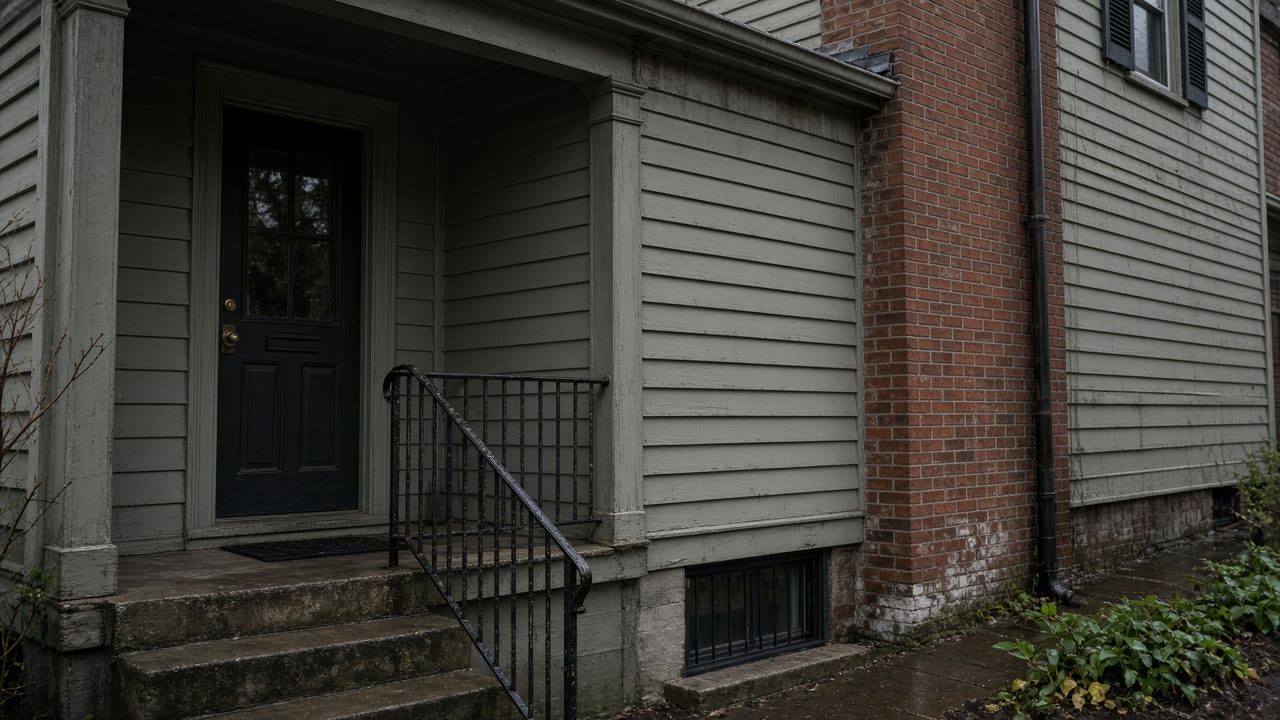
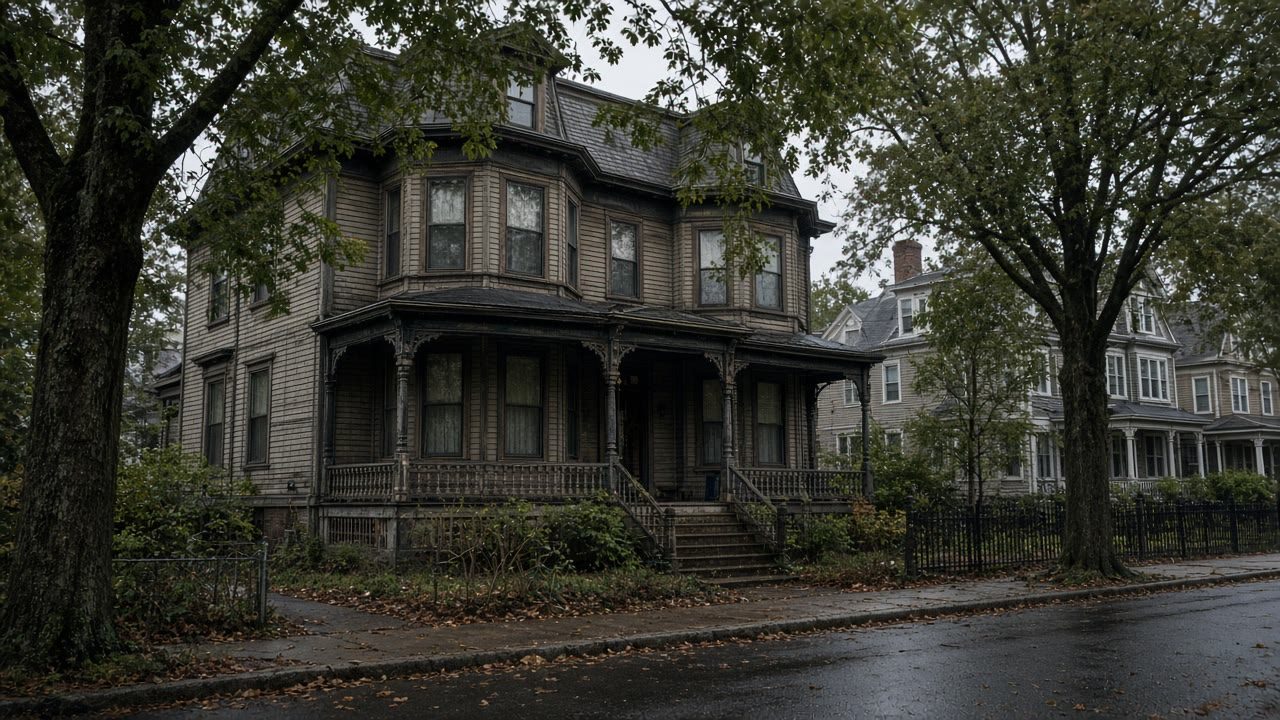
The EPA advises that if the moldy area is less than about ten square feet, roughly a three foot by three foot patch, in most cases a homeowner can handle the cleanup themselves.
Source: U.S. Environmental Protection Agency, accessed 2026-09-14
The EPA states that in most cases, if visible mold growth is present, sampling is unnecessary.
Source: U.S. Environmental Protection Agency, accessed 2026-09-14
The CDC states that it does not recommend mold testing, on the basis that no matter what type of mold is present it needs to be removed, and that people with asthma or a mold allergy may have severe reactions.
Source: U.S. Centers for Disease Control and Prevention, accessed 2026-09-14
A Massachusetts municipal health department states that there are no mold standards set by any state or federal entity for airborne concentrations or mold spores, so even after sampling a result cannot be compared to a safe level, and that its own health department cannot test for mold.
Source: Mansfield, Massachusetts Public Health Department, accessed 2026-09-14
The CDC states that mold can be removed from hard surfaces with household products, soap and water, or a bleach solution of no more than one cup of household laundry bleach in one gallon of water.
Source: U.S. Centers for Disease Control and Prevention, accessed 2026-09-14
The EPA does not recommend the routine use of biocides such as chlorine bleach during mold cleanup, and notes that dead mold can still cause allergic reactions, so mold has to be physically removed rather than only killed.
Source: U.S. Environmental Protection Agency, accessed 2026-09-14
The EPA notes that absorbent or porous materials such as ceiling tiles and carpet may have to be thrown away, because mold can grow into them and complete removal is difficult.
Source: U.S. Environmental Protection Agency, accessed 2026-09-14
The EPA recommends reducing indoor relative humidity to between 30 and 60 percent to decrease mold growth, by venting bathrooms and dryers to the outside, using air conditioners and dehumidifiers and increasing ventilation.
Source: U.S. Environmental Protection Agency, accessed 2026-09-14
The EPA advises reducing the potential for condensation on cold surfaces such as windows, piping, exterior walls, roofs and floors by adding insulation, and advises against installing carpeting where there is a perpetual moisture problem or on concrete floors subject to leaks or frequent condensation.
Source: U.S. Environmental Protection Agency, accessed 2026-09-14
105 CMR 410.280 requires the owner to provide ventilation to the outdoors for every habitable room and every room containing a toilet, bathtub or shower, either through windows, skylights, doors or transoms in the exterior walls or roof that open to a minimum of 4 percent of that room's floor area, or through mechanical ventilation capable of exhausting air at 2 air changes per hour for habitable rooms and 5 air changes per hour for bath, toilet or shower rooms. A skylight that exposes the interior to direct rainfall when open does not satisfy the requirement.
Source: Massachusetts Department of Public Health, via Cornell Legal Information Institute, accessed 2026-09-14
105 CMR 410.020 defines Chronic Dampness as the regular and/or periodic appearance of moisture, water, mold or fungi.
Source: Massachusetts Department of Public Health, via Cornell Legal Information Institute, accessed 2026-09-14
The Code of Massachusetts Regulations contains chapters licensing asbestos contractors, deleading contractors, plumbers, gas fitters and electricians, and no chapter establishing a Massachusetts mold assessor or mold remediation license, so no state agency vets a mold company before it works in a home.
Source: Code of Massachusetts Regulations, index via Cornell Legal Information Institute, accessed 2026-09-14
310 CMR 7.15(4) requires the owner or operator of a facility containing suspect asbestos-containing material to engage an asbestos inspector before any demolition or renovation and to obtain a written asbestos survey report covering everywhere the work will breach, including wall cavities, areas above ceilings and spaces under and between multiple layers of flooring. The only exception is the owner of an owner-occupied single-family residence doing the work themselves on non-friable material alone.
Source: Massachusetts Department of Environmental Protection, via Cornell Legal Information Institute, accessed 2026-09-14
454 CMR 22.02 defines Target Housing as any housing or dwelling constructed prior to 1978, other than housing for the elderly or people with disabilities where no young child resides and zero-bedroom dwellings.
Source: Massachusetts Department of Labor Standards, via Cornell Legal Information Institute, accessed 2026-09-14
Cambridge has 47.0 percent of its housing units built in 1939 or earlier and a median year of construction of 1950, with 67.9 percent built before 1980. 29.1 percent of its units sit in two, three and four unit structures and 27.1 percent in structures of 50 units or more.
Source: U.S. Census Bureau, American Community Survey 2020-2024 5-year estimates, accessed 2026-09-14
Services this guide relates to
Need someone to look at it?
Send the details and we will come back to you.