
Cambridge and the surrounding Greater Boston area
Mold Removal in Cambridge and Greater Boston
Get the mold and the material it grew into out of the building under containment, with the pre-demolition gates cleared first and the room put back afterwards.
Mold Removal quote
Tell us which room it is, what the surface is made of and whether the leak has been repaired. If the building predates 1978, say so, because that changes the order the work has to run in.
Would you rather talk it through? Call (315) 640-3590, answered 24/7.
$100 off your first job
Credited by us on your first booked job.
- One credit per customer per property, on your first booked job.
- Valid through December 31, 2026.
Mention this offer when you book. Full terms.
What a removal takes out, and what it puts back
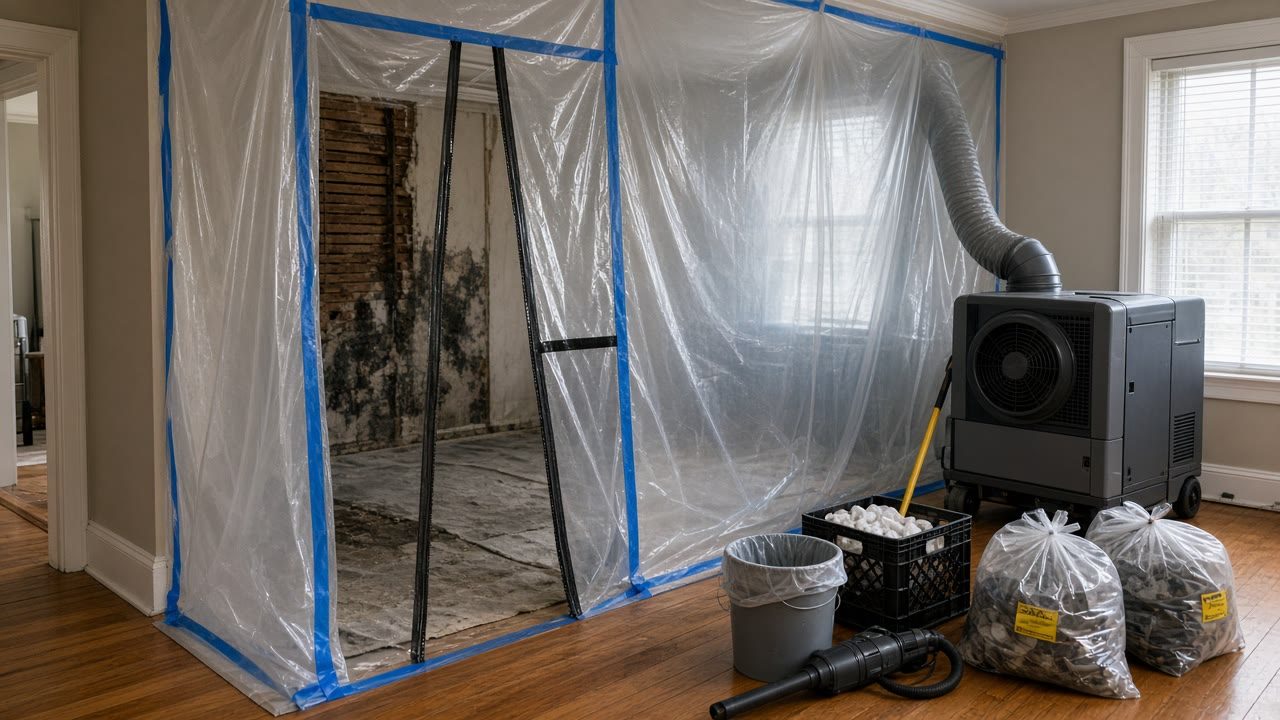
Mold removal is the controlled taking out of the material mold has grown into, and the cleaning and drying of everything that stays. It is not a spray, a fog or a coating. Absorbent material that has been penetrated is cut out and carried away, hard surfaces are cleaned, the structure is dried, and it is all done behind containment so what gets disturbed in one room does not end up in the rest of the house. The step that decides your schedule comes before the demolition. Under 310 CMR 7.15(4), an asbestos inspector and a written survey are required before any renovation that will breach suspect asbestos-containing material, and with 67.9 percent of Cambridge housing built before 1980, that is the normal case here rather than the unlucky one.
- Containment barriers and filtered negative air, sized to the affected area
- Controlled removal of plaster, drywall, insulation, carpet and trim that mold has grown into
- Cleaning and filtered vacuuming of framing and the hard surfaces that can be saved
- Structural drying of what stays, signed off by readings rather than by a hand on the wall
- Cleaning, packing out or disposing of affected contents
- Removal and replacement of wet or moldy insulated duct components
- Clearing the gates before the saw: the asbestos survey, the MassDEP notification, the Cambridge asbestos permit and the posted building permit
- Putting the room back, which the housing code counts as part of compliance
What moves the price of a removal here
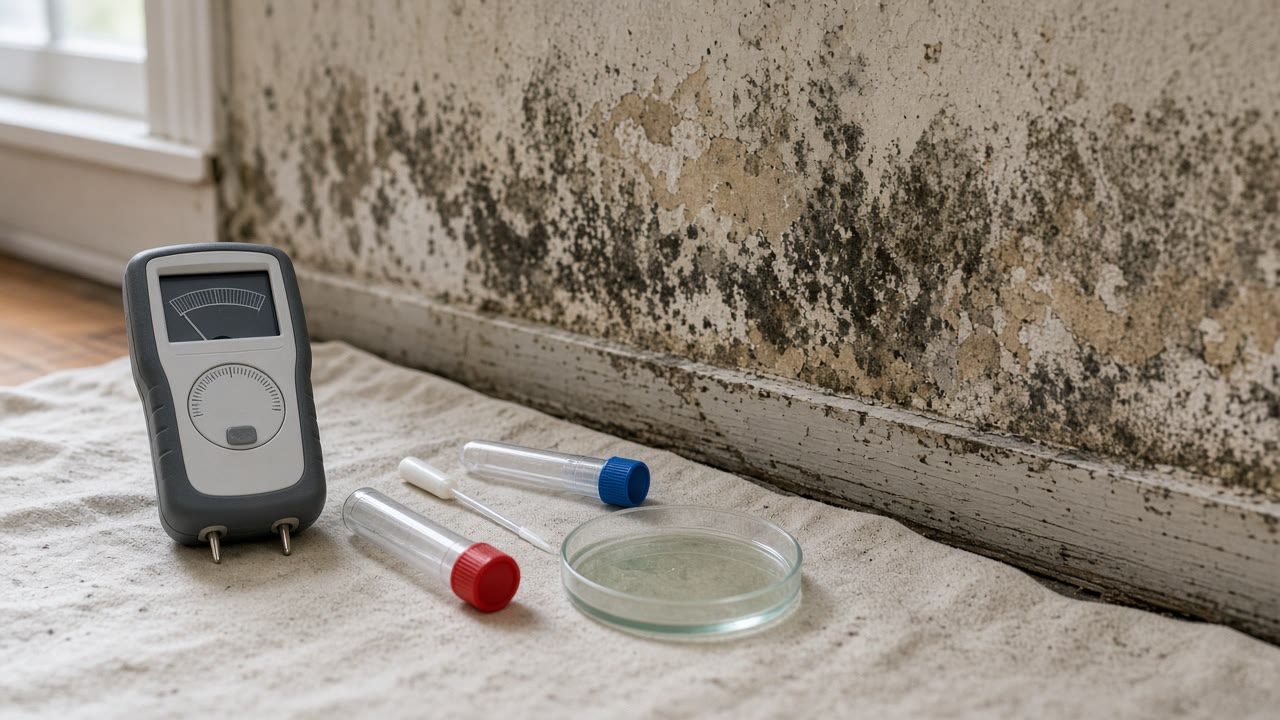
A removal is priced before anyone picks up a saw: by what the wet material is made of, and by what has to happen legally before it can be cut. In housing this old, both of those usually apply.
What the affected material is made of
Mold grows into absorbent material rather than sitting on top of it, so ceiling tile, carpet, insulation and soaked plaster usually leave in a bag, while hard surfaces can often be cleaned in place. That is the difference between a cleaning job and a demolition job, and it is the largest single item in the price.
Whether the material is suspect for asbestos
310 CMR 7.15(4) requires an asbestos inspector and a written survey report before any demolition or renovation, covering everywhere the work will breach, including wall cavities, above ceilings and the spaces between layers of flooring. Where abatement follows, 310 CMR 7.15(6)(a) requires the notification to be received by MassDEP at least ten working days before it starts. Two weeks can sit between the decision and the first cut on a pre-1980 building, which is why finding out early is worth more than any promise about how fast someone can be there.
Whether it is a two family, a three family or a rental
The do-it-yourself asbestos route is written only for an owner-occupied single-family residence, and 310 CMR 7.15(1) excludes rental property, multiple-family buildings and mixed use buildings from that definition. In Cambridge, 29.1 percent of units sit in two, three and four unit structures, so the exemption people assume they have is frequently not there, and the survey is not optional.
Whether the building predates 1978
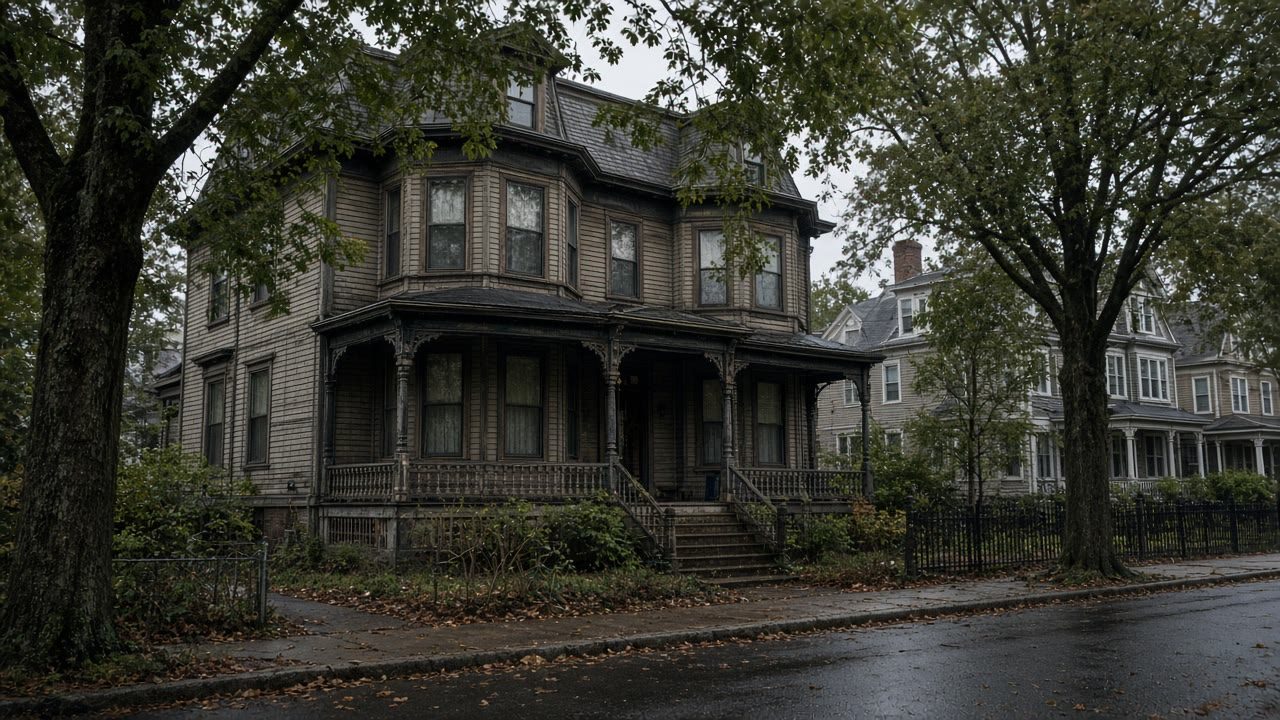
454 CMR 22.02 counts housing built before 1978 as target housing for lead, and 67.9 percent of Cambridge units were built before 1980. Cutting wet plaster in a pre-1978 unit is work that gets planned around the lead rules, not discovered halfway through a demolition.
Whether the water source has been repaired
The EPA is direct about this: there is no practical way to eliminate mold and mold spores indoors, so controlling mold means controlling moisture. Taking growth out while water is still arriving means paying for the same room twice.
Access to the work area
A crawl space, a walk-up attic, a third floor unit reached by one staircase and an occupied kitchen each change how the containment gets built and how long the work takes, before a single square foot of material is touched.
How much has to go back
105 CMR 410.020 defines compliance as not only correcting the violation but restoring all parts of the dwelling to the condition they were in beforehand, and where a permit was needed, the official signing the work off. The rebuild is part of the job, so it belongs in the written scope and in the number.
Find out what has to happen before the wall comes open
In a pre-1980 building the asbestos survey comes before the demolition, and the notification adds working days on top. Describe the room and we will tell you which gates apply to yours.
The order this work has to run in
Stop the water first
Nothing inside is worth doing while water is still coming in. The EPA's position is that mold and its spores cannot be eliminated indoors, so control of mold is control of moisture, and the repair that stops the water is the repair that makes this work hold.
Agree the scope in writing
What comes out, what stays, how it is contained, how it is checked and what gets put back. Above one thousand dollars, Massachusetts requires that agreement in writing with ten specified items, including the description of the work and materials, the start and substantial completion dates, the total price and the payment schedule. Read the dates in it: on a pre-1980 building they have to allow for the asbestos survey and notification before any demolition.
Clear the gates before anything is opened
Where suspect asbestos material will be breached, the written survey comes first, and where abatement is needed the notification has to reach MassDEP at least ten working days ahead, so the calendar matters as much as the crew. Asbestos removal in Cambridge also needs a city asbestos permit on top of the state notification, and the building permit has to be obtained before work starts and posted at the job.
Build the containment
Barriers and filtered negative air sized to the area, so that what is disturbed inside the work area does not travel through the rest of a building where the heating and the stairwell are shared.
Take out what cannot be saved
Penetrated absorbent material is cut back to sound material, bagged and removed rather than treated where it stands.
Clean what stays
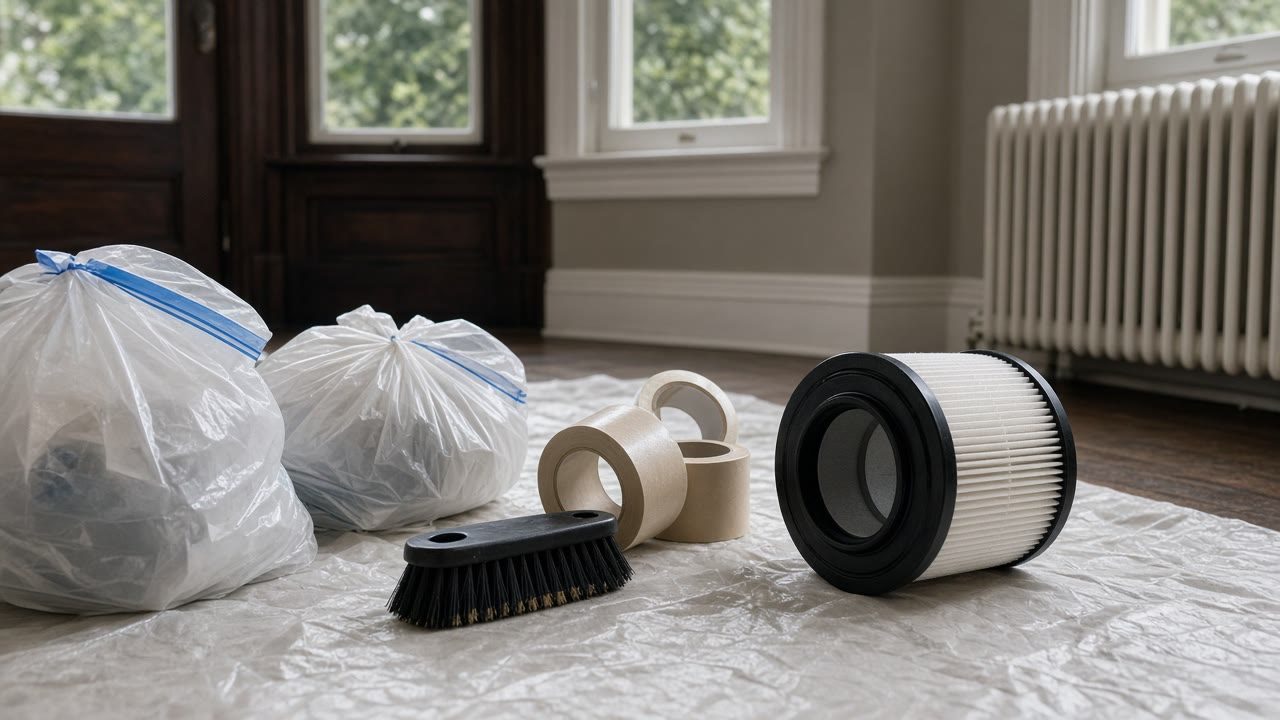
What stays gets taken back to clean by hand: framing, masonry and every hard surface HEPA vacuumed and then wiped. The EPA does not recommend routine use of biocides such as chlorine bleach, and notes that dead mold still causes allergic reactions, so the objective is physical removal rather than killing it in place.
Dry it, and prove it is dry
Air movers and dehumidifiers bring the remaining material back to a normal moisture level, with dated readings taken instead of assumed. The EPA's target for the finished building is 30 to 60 percent relative humidity.
Check it, then put the room back
What was opened up is inspected against the scope and recorded in writing before the containment comes down. Then the plaster, the trim and the finishes go back, because the code counts restoring the dwelling as part of the fix.
What mold removal looks like
Where a removal starts and stops
When you may not need this at all
- Under about ten square feet, the EPA's position is that most homeowners can handle the cleanup themselves, and Massachusetts requires no license to do it. Gloves, goggles, an N95 respirator, and keep the dust down.
- If the leak has not been repaired yet, that job comes before this one. Otherwise you are buying the same room twice.
- If it got wet in the last day or two and nothing is growing, drying is the cheaper job and the window is still open.
- Bleach is not the shortcut it looks like. The EPA does not recommend routine biocide use in mold cleanup, and because dead mold still causes allergic reactions, the material still has to come out.
- If you own and live in a single-family home and the suspect material is non-friable, the asbestos rules do leave you a narrow do-it-yourself route. On a two family, a three family, a rental or a mixed use building, that route is closed.
What is out of scope
- Plumbing, roofing, gutter, drainage and foundation repair. The water gets stopped by the trade that owns it.
- Asbestos abatement and deleading, which are licensed separately in Massachusetts and are arranged as their own contracts with their own notifications.
- Fogging, ozone or a coating sold instead of removing the material and fixing the water.
- Any opinion about health, symptoms or diagnosis.
- Insurance claim handling and adjuster negotiation. We make sure the readings and photographs exist; what a policy pays is between you and the insurer.
- Remodeling that goes beyond restoring what was taken out.
- Any promise about how quickly demolition can start. On a pre-1980 building the asbestos survey and, where abatement is needed, the ten working day notification come first, and no contractor can shorten that.
Towns where we arrange removals
Questions people ask before the walls come open
Can you just spray it or fog it instead?
Be wary of anyone who offers to. The EPA does not recommend the routine use of biocides such as chlorine bleach in mold cleanup, and it notes that dead mold can still cause allergic reactions, so the material has to be physically removed. A coating over growth on wet plaster hides the problem and leaves the water where it was.
Will the job really stop for asbestos?
It can, and in this housing stock it often does. 310 CMR 7.15(4) requires a written asbestos survey by an inspector before any demolition or renovation that will breach suspect material, including inside wall cavities and between layers of flooring, and where abatement is needed the notification has to be received by MassDEP at least ten working days beforehand. So on a pre-1980 building there can be two weeks between the decision and the demolition, and anyone telling you otherwise has not looked. Knowing it on day one is the difference between a planned schedule and a stop-work surprise with the wall already open.
Should I pull the building permit myself?
No, and this one is worth reading twice. MGL c.142A s.2 requires a residential contract to tell you that permits are the contractor's obligation to obtain, and that homeowners who secure their own permits are excluded from the Residential Contractor's Guaranty Fund. Cambridge Inspectional Services says the same thing from the other end: homeowners issued their own permits may be liable for contractors working on their property and lose that protection. It is also worth knowing how far that protection reaches in the first place. MGL c.142A s.1 covers only pre-existing owner-occupied buildings of one to four units, so on a two or three family you own and rent out, the Guaranty Fund is not available at all and the written contract is the whole of your protection.
Do I have to move out while the work runs?
Usually not. The work area is sealed and put under filtered negative pressure so the rest of the property stays usable. A large area, work inside the heating system, or a household member the CDC's guidance applies to, such as someone with asthma or a mold allergy, can make staying elsewhere the sensible call. The scope says which kind of job yours is before anything is cut.
Will it come back?
That is decided by the water, not by the cleanup. The EPA states that mold spores cannot be eliminated from an indoor space and that controlling indoor mold growth means controlling moisture. Repair the source and keep the humidity in the 30 to 60 percent range and the work holds. Leave the source running and growth returns to whatever stays wet.
Why does the plaster have to come out at all?
Because mold grows into absorbent material instead of sitting on the surface, and soaked plaster on wood lath holds water in a cavity you cannot reach with a cloth. Hard, non-porous surfaces are usually cleaned and kept. The scope should tell you which category every surface in the room falls into, and that is the line between a cleaning job and a demolition job.
Tell us what is coming out
The room, the surface and the age of the building. That is enough for us to confirm the sequence.