
Medford Mold Testing Before the Drywall Goes Back
Test before the studs go back in, because the readings taken now are what tell you whether finishing that basement is a good idea at all.
Mold Testing quote in Medford
Tell us what you can see, where the water came from, and whether anything is still wet. That is usually enough for us to say which trade you need, and whether the job is small enough to handle yourself, before anyone comes out.
Would you rather talk it through? Call (315) 640-3590, answered 24/7.
$100 off your first job
Credited by us on your first booked job.
- One credit per customer per property, on your first booked job.
- Valid through December 31, 2026.
Mention this offer when you book. Full terms.
Medford's claim pattern and its housing split
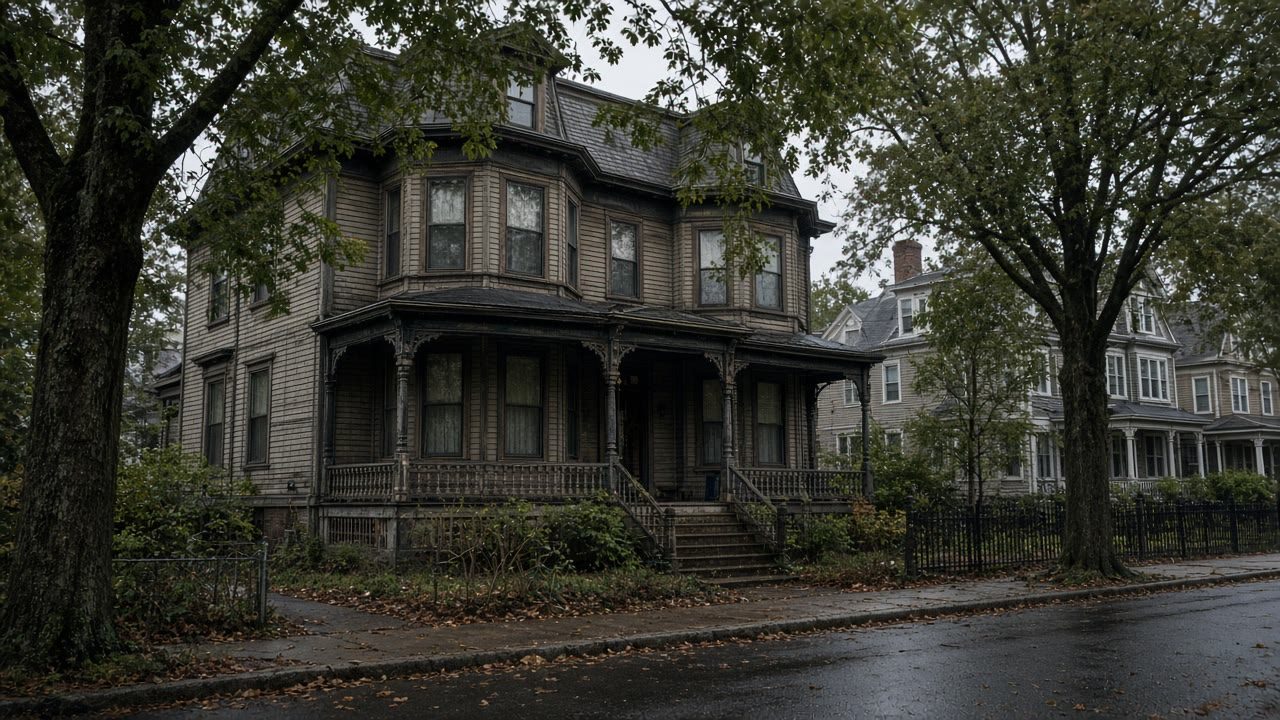
FEMA's NFIP claims dataset records nine flood insurance claims for the City of Medford with loss years from 2001 to 2021 and about $70,000 in net payments. Four of the nine came from the March 2010 nor'easter and five of the nine were rated in flood zone AE. Eight of the nine were on properties with a finished basement or enclosure.
Source: Federal Emergency Management Agency, OpenFEMA NFIP Redacted Claims v2, accessed 2026-09-14
Medford has 48.8 percent of its housing units built in 1939 or earlier and a median year of construction of 1942, with 75.9 percent built before 1980. 34.2 percent of its units sit in two, three and four unit structures and 33.8 percent are single-family detached.
Source: U.S. Census Bureau, American Community Survey 2020-2024 5-year estimates, accessed 2026-09-14
The EPA recommends reducing indoor relative humidity to between 30 and 60 percent to decrease mold growth, by venting bathrooms and dryers to the outside, using air conditioners and dehumidifiers and increasing ventilation.
Source: U.S. Environmental Protection Agency, accessed 2026-09-14
Eight of nine Medford claims had a finished basement
Eight of the nine paid flood claims recorded for Medford were on properties with a finished basement or enclosure, and four of the nine came out of the single March 2010 nor'easter. Read that as a decision rather than a statistic. The same water event in an unfinished cellar is a mop and a fan; in a finished one it is drywall, batt, pad and trim leaving the building in bags. A test before you refinish measures what the slab and the walls actually do across a year, so the choice about what goes back is made on readings instead of on how the room looked in June when you decided to do it.
What the report needs to say before you refinish
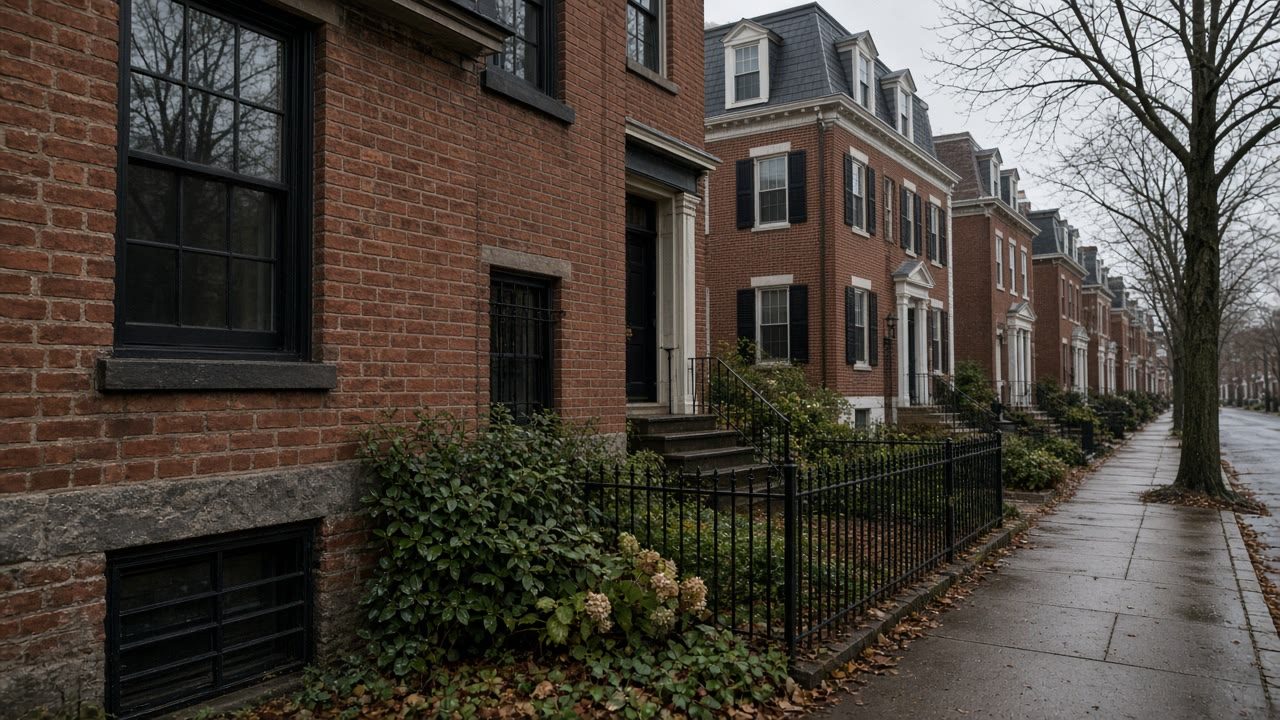
Weigh the specification and not just the verdict. Ask the assessment to record slab and lower wall moisture, the height of any historic water line, and the relative humidity the room holds in July, because those three answers decide whether a framed and insulated basement is reasonable here or whether you want a floor you can hose out. Then weigh who has to agree: Medford splits almost evenly between single family detached at 33.8 percent and two to four unit buildings at 34.2 percent, so on one street the decision takes an afternoon and on the next it takes a landlord, three tenants and a written scope everybody has read.
Readings before a specification
Slab moisture, lower wall moisture and the summer humidity the room holds. Those three numbers decide the build, and they cost a fraction of the build.
The historic water line
Find out how high it has been before, not just whether it is wet now. Four of the nine claims here came from one storm in March 2010.
Who has to agree
A detached house is one decision. A three family is four, and in that case the written scope is what makes the conversation short.
About to frame a basement?
Send photographs of the slab and the walls and we will say what to measure first.
Removal and drying in Medford
Questions Medford owners ask about basement testing
The basement has been dry for six years. Do I still need a test?
Six dry years is not the same as a dry basement in this city. Four of the nine claims on record here came from one nor'easter in March 2010, so the exposure arrives in single events. A test tells you what happens to the room in a bad week rather than in an average one.
What humidity should the room be holding?
The EPA's recommendation is indoor relative humidity between 30 and 60 percent to decrease growth, achieved by venting bathrooms and dryers outside, running air conditioning and dehumidifiers, and increasing ventilation. We log what the room actually holds so you can see how far off it is before you finish it.
Tell us what the room is for
We will say what the readings support putting back.