
Newton Water Damage Drying in a Big House
In a large house the wet patch you found is rarely the edge of the problem, so the first job is finding where the water actually stopped.
Water Damage Drying quote in Newton
Tell us what you can see, where the water came from, and whether anything is still wet. That is usually enough for us to say which trade you need, and whether the job is small enough to handle yourself, before anyone comes out.
Would you rather talk it through? Call (315) 640-3590, answered 24/7.
$100 off your first job
Credited by us on your first booked job.
- One credit per customer per property, on your first booked job.
- Valid through December 31, 2026.
Mention this offer when you book. Full terms.
Where water goes in a large Newton house
Water in a big Newton house travels. A supply line failing upstairs can wet three levels of wall cavity and show itself as one stain on a ceiling, and a lower level that fills in a storm can push water a long way under a floating floor from where it came in. So drying here starts with mapping rather than with equipment: a thermal scan, meter readings across the whole affected plane, and air movers placed where the water went instead of where it is visible. The Charles River Watershed Association's model covers 273 square miles and twenty towns, names Newton among the urban towns most affected in a 100-year storm, and projects a 10-year storm flooding about 1,400 more acres by 2070.
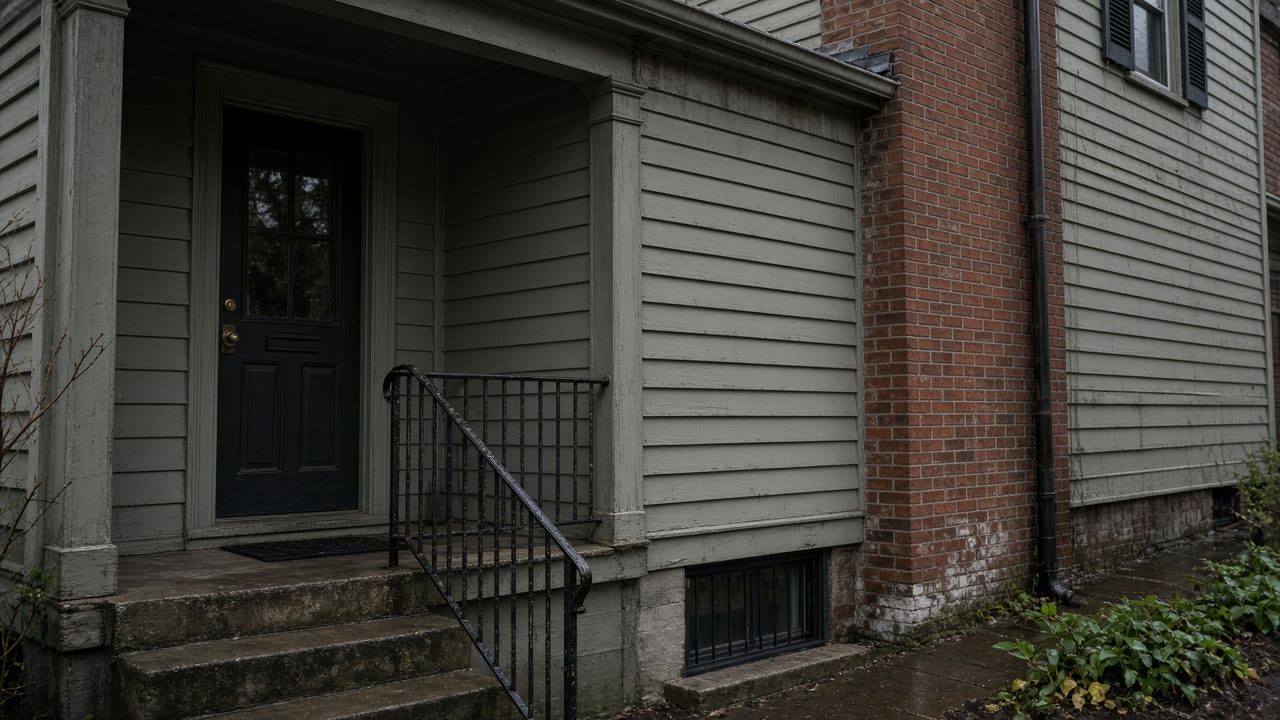
What water damage drying involves in Newton

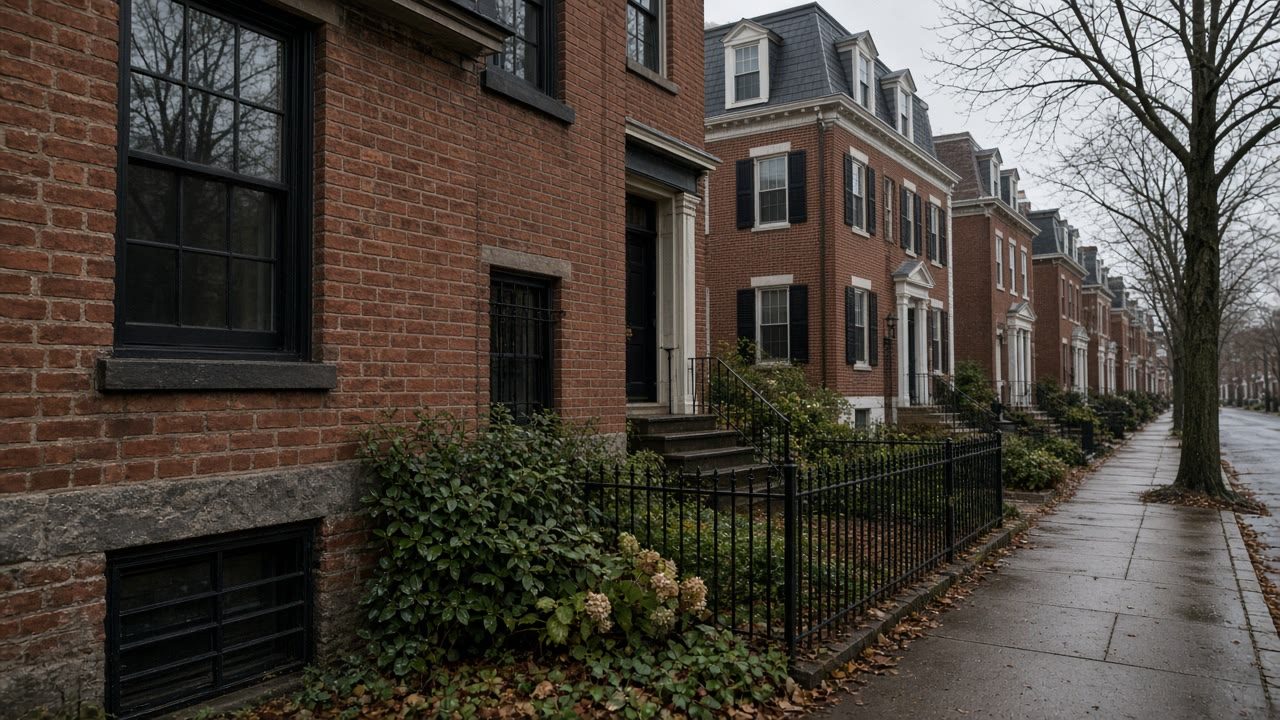
Scope and contents come before equipment
The decisions in the first hours are about scope and contents rather than about equipment brands. Find the boundary before the machines are placed, because equipment aimed at the visible stain dries the stain and leaves the cavity. Move what can be moved out of the way instead of drying around it. And understand what the clock means at this scale: the owner's deadline is 48 hours from the leak or the end of the event to have wet surfaces dry, so a large area needs both the time and the machine count to match it, and a plan with two units and a promise is not a plan. Boston normals show no dry season here, so nothing dries by waiting.
Find the boundary first
Thermal scan and meter readings across the whole plane. Equipment placed on the visible stain dries the stain and leaves the cavity behind it wet.
Equipment count, not equipment brand
A large wet area needs a machine count proportionate to it. Two units in a 1,500 square foot lower level is a schedule that cannot be met.
Move contents, do not dry around them
Stacked and covered items hold moisture and block airflow. Clearing them costs an hour and saves days of runtime.
The Charles model and a climate with no dry season
The Charles River Watershed Association's Charles River Flood Model covers a 273 square mile area and 20 cities and towns, and projects that by 2070 a 10-year storm will flood about 1,400 more acres than today, 11,800 acres against 10,400, with close to 2,000 additional acres for the 100-year event. The association identifies Needham, Newton, Wellesley, Waltham and Watertown as the towns with more urban infrastructure that would be most affected in a 100-year storm.
Source: Charles River Watershed Association, accessed 2026-09-14
The 1991 to 2020 monthly precipitation normals for Boston Logan range only from 3.21 inches in February to 4.30 inches in December, with an annual normal of 43.59 inches, so there is no dry season.
Source: NOAA National Centers for Environmental Information, 1991-2020 Climate Normals, accessed 2026-09-14
105 CMR 410.500(B) states that in the event of leaks and flooding the owner shall ensure all surfaces have been dried within 48 hours from the time they are notified or the end of the event, whichever is sooner.
Source: Massachusetts Department of Public Health, via Cornell Legal Information Institute, accessed 2026-09-14
Stain downstairs, source upstairs?
Tell us which floors are involved and we will map it before placing anything.
Testing and removal after a Newton drying job
What Newton owners ask while a house is drying
The stain is on a first floor ceiling but the leak was upstairs. What gets dried?
Everything the water traveled through, which is usually more than the ceiling. We map the path with thermal imaging and meters first, then place equipment along it. Drying only the visible stain is how a house gets a musty smell two months after the repair was signed off.
Can we not just open the windows for a few days?
Not here. The Boston normals run from 3.21 inches of precipitation in February to 4.30 inches in December with no dry season at all, so outside air is often wetter than what you are trying to dry. Controlled dehumidification moves water out; an open window frequently brings more in.
Tell us which levels are wet
We will size the drying to the area rather than to the stain.