
Belmont Mold Testing in a 1938 House
Two paid flood claims in the entire town means nobody here should be sold a flood story, and a test should tell you which ordinary building fault you actually have.
Mold Testing quote in Belmont
Tell us what you can see, where the water came from, and whether anything is still wet. That is usually enough for us to say which trade you need, and whether the job is small enough to handle yourself, before anyone comes out.
Would you rather talk it through? Call (315) 640-3590, answered 24/7.
$100 off your first job
Credited by us on your first booked job.
- One credit per customer per property, on your first booked job.
- Valid through December 31, 2026.
Mention this offer when you book. Full terms.
Belmont's claim file and its build years
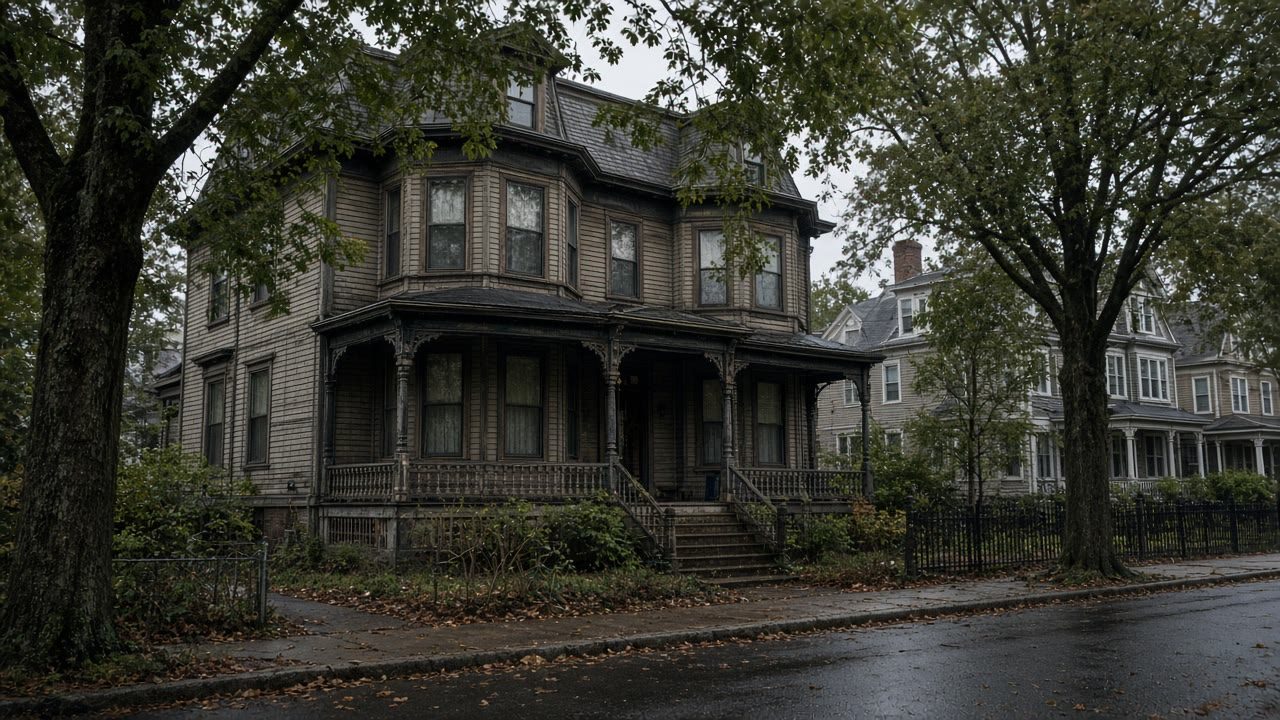
FEMA's NFIP claims dataset records just two flood insurance claims for the Town of Belmont, in 2019 and 2021, totalling about $5,300 in net payments. Both were rated in flood zone X and both were on properties with an unfinished basement or enclosure.
Source: Federal Emergency Management Agency, OpenFEMA NFIP Redacted Claims v2, accessed 2026-09-14
Belmont has 57.1 percent of its housing units built in 1939 or earlier and a median year of construction of 1938, with 87.3 percent built before 1980. 45.4 percent of its units are single-family detached and 29.7 percent sit in two-unit structures.
Source: U.S. Census Bureau, American Community Survey 2020-2024 5-year estimates, accessed 2026-09-14
The EPA advises reducing the potential for condensation on cold surfaces such as windows, piping, exterior walls, roofs and floors by adding insulation, and advises against installing carpeting where there is a perpetual moisture problem or on concrete floors subject to leaks or frequent condensation.
Source: U.S. Environmental Protection Agency, accessed 2026-09-14
What a two-claim record rules out in Belmont
Belmont's whole flood insurance record is two claims, in 2019 and 2021, totalling about $5,300, both rated in flood zone X and both on properties with an unfinished basement. So testing here is not looking for a floodplain. It is looking for the ordinary causes in an old house, and the house is old: 57.1 percent of the town's units were finished in 1939 or earlier and the median build year is 1938, which means rubble foundations, plaster on lath and unconditioned cellars. Readings, a thermal scan and a measured area are what separate a slow sill leak from summer air condensing on cold masonry, and those two have completely different repairs.
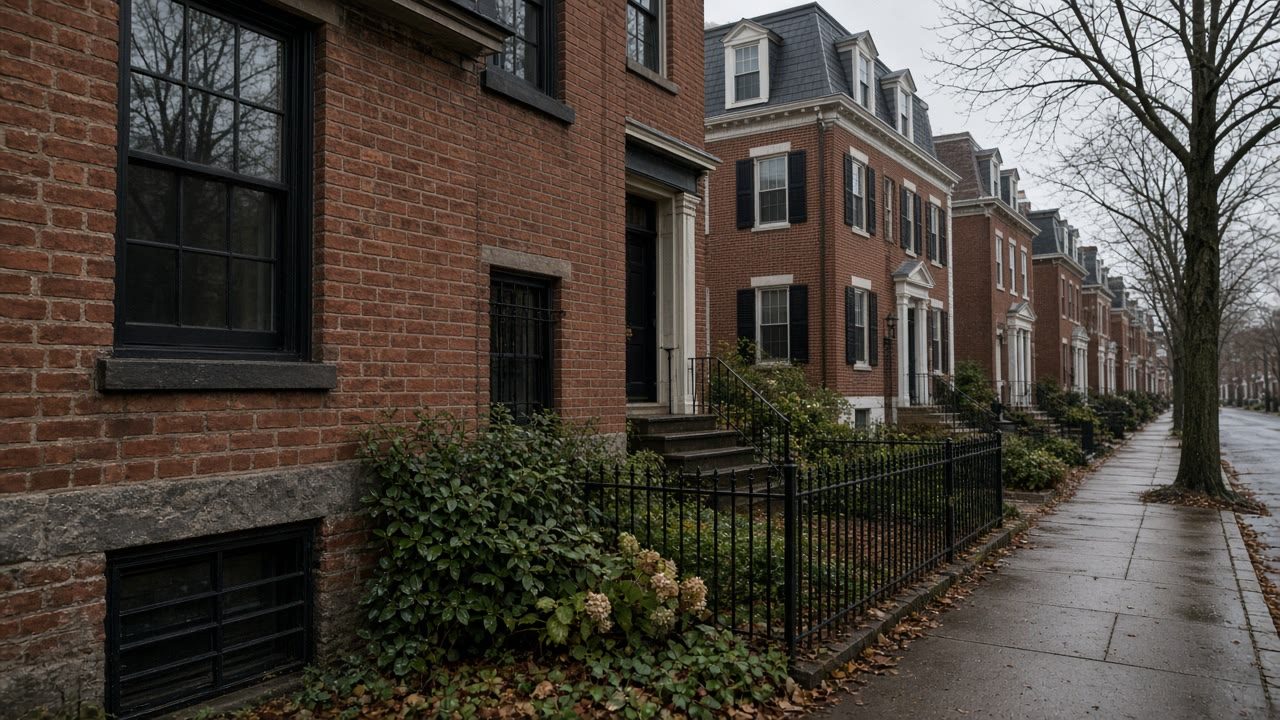
In a 1938 house the survey sets the calendar
What to weigh here is the order of what happens after the report, because in a house of this age the survey governs the calendar and the water does not. If the findings are going to lead to any cutting, a written asbestos survey by an inspector has to come first and it has to cover the wall cavities, the space above ceilings and the layers of flooring rather than only what shows. Ask for the assessment to mark where the proposed openings would be, so the survey gets scoped once instead of twice. And if the answer turns out to be a humidity problem rather than a growth problem, that is a real finding and it costs you a dehumidifier.
Two claims, and what that rules out
About $5,300 paid in the town's entire record, both on unfinished basements. Nothing in that file supports a flood diagnosis for your house.
Where the openings would be
Marking them on the assessment lets the asbestos survey cover them in one visit instead of being re-scoped when the demolition plan changes.
Humidity is a finding too
The EPA advises reducing condensation on cold surfaces with insulation and advises against carpet on concrete subject to frequent condensation. That is sometimes the whole answer.
Is it growth or is it humidity?
Describe when it appears and we will tell you which of the two it sounds like.
Removal and drying in Belmont
Questions Belmont owners ask about a test
The smell only turns up in July and August. Is that mold?
Often it is condensation rather than growth. The EPA advises reducing the potential for condensation on cold surfaces such as piping, exterior walls and floors by adding insulation, and advises against carpet on concrete subject to frequent condensation, which is the textbook description of a cool 1938 cellar in a humid August. Readings taken on the wall and in the air separate the two in one visit.
Do I need the asbestos survey just to have the place tested?
No. Testing does not breach material, so nothing is disturbed and no survey is triggered. The survey belongs in front of the cutting, which is why we mark the likely openings on the report rather than waiting for a demolition plan to appear later.
Tell us where the cellar smells
We will say what a test would actually find down there.